
Advent Week 3: JOY
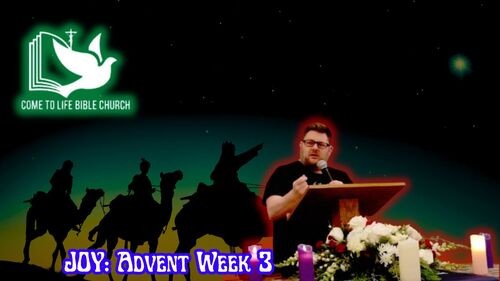
The Unexpected Arrival: Finding Joy in the Humble Birth of Christ
The Christmas story has been told so many times that we risk losing its power. Like a relationship that moves from the excitement of new love to the comfortable routine of daily life, our familiarity with the nativity can dull our sense of wonder. Yet within that familiarity lies profound depth—truths that deserve to be rediscovered, moments that should take our breath away all over again.
When Caesar's Greed Became God's Plan
Luke's Gospel opens the Christmas narrative not with angels or starlight, but with taxation. Caesar Augustus, concerned about his revenue streams, decreed that all the world should be registered. A census. A mundane governmental act rooted in greed and control. How unromantic. How utterly ordinary.
Yet within this secular decree, ancient prophecy was being fulfilled. Seven hundred years earlier, the prophet Micah had declared that the Messiah would be born in Bethlehem Ephrathah. And now, because Caesar wanted to count his subjects and maximize his tax collection, a carpenter from Nazareth had to take his pregnant wife on an arduous journey south.
This is the first lesson of Christmas: God's sovereignty operates even through the selfish actions of earthly powers. What Caesar intended for his own glory became the mechanism for God's redemptive plan. Even when the world acts selfishly, God is working in the background, orchestrating history toward his purposes.
The Journey No One Talks About
We sanitize the Christmas story. We turn it into a peaceful tableau with soft lighting and gentle music. But the reality was far different.
Picture a nine-month pregnant woman traveling the distance of an entire state—uphill—on a donkey. Anyone who has been around someone in their final weeks of pregnancy knows this is not a recipe for peace. The discomfort, the exhaustion, the sheer physical toll of such a journey would have been immense.
When they finally arrived in Bethlehem, there was no room for them. No comfortable inn, no welcoming relatives with a prepared guest room. Instead, they found themselves outside—likely in a cave or stable—surrounded by animals. And there, in those rough circumstances, Mary gave birth to the Son of God.
The Creator of the universe, the King of Kings, entered the world and was laid in a manger—a feeding trough for animals. Strips of cloth kept the baby clean from the residue of animal food. This was not a peaceful, serene moment. It was raw, humble, and shockingly ordinary.
Why Shepherds Heard First
On that same night, shepherds were keeping watch over their flocks in the fields near Bethlehem. These were not prestigious religious leaders or wealthy nobility. They were working-class men doing a humble job—watching sheep that were likely being raised for temple sacrifices.
Suddenly, the glory of the Lord shone around them. Blinding, terrifying light. An angel appeared with a message that would change everything: "Do not be afraid, for behold, I bring you good tidings of great joy which will be to all people. For there is born to you this day in the city of David a Savior, Christ the Lord."
The symbolism is breathtaking. Shepherds watching over sacrificial lambs were the first to hear about the birth of the Lamb of God. They were the first evangelists, the first witnesses, the first to spread the news that the Savior had come.
This choice was intentional. Throughout Scripture, God uses shepherds in pivotal moments. Moses was shepherding sheep when God called him from the burning bush. David was anointed king while tending his father's flocks. Later, Jesus would call himself the Good Shepherd who lays down his life for his sheep.
God didn't announce his Son's birth to the powerful or the prestigious. He announced it to everyday people—those who worked with their hands, those who would naturally share the news with their neighbors, those who understood what it meant to care for vulnerable creatures.
The Truth That Changes Everything
When the shepherds found the baby in the manger, exactly as the angel had described, they couldn't keep quiet. Luke tells us "they made widely known the saying which was told them concerning this child." Word of mouth from ordinary people—this was God's marketing strategy for the most important birth in human history.
Mary, meanwhile, "kept all these things and pondered them in her heart." She remembered every detail of that extraordinary night, treasuring the memories that would later become the Gospel account we read today.
The shepherds returned to their fields "glorifying and praising God for all the things that they had seen." Despite being awakened in the middle of the night, despite the initial terror of encountering divine glory, they left filled with joy. Because the truth they discovered was more important than their circumstances.
The God Who Enters Our Suffering
This is the heart of Christmas: God did not remain distant from human suffering. He didn't send a representative or merely observe from heaven. He entered into it completely.
From the moment of conception, through a difficult birth in harsh conditions, through 33 years of life in an overlooked town, facing opposition and ultimately crucifixion—Jesus experienced the full weight of human existence. Nothing about his story suggests he took the comfortable path.
He left the glory of heaven to be laid in a feeding trough. He limited himself to human flesh. He knew hunger, exhaustion, rejection, and pain. All of this so that we could never say God doesn't understand what we're going through.
The Joy of What's Coming
While we celebrate Christ's first coming, the Christmas season also points us toward his second coming. Jesus came first as the Good Shepherd, laying down his life for his sheep. But he will return as the conquering King to establish his eternal kingdom.
This is the ultimate source of our joy—not just what Christ did, but what he will do. He is coming again to make all things new, to wipe away every tear, to establish a world where we can dwell with him forever.
The humble birth in Bethlehem was just the beginning. The best is yet to come. And that truth should fill us with the same joy that sent those shepherds back to their fields praising God—joy that transcends our circumstances because it's rooted in an unshakeable promise.
This Christmas, may we rediscover the wonder of what God has done and the hope of what he will do. May we, like the shepherds, be unable to keep this good news to ourselves. And may we glorify God for the incredible gift of his Son—Emmanuel, God with us.
The Christmas story has been told so many times that we risk losing its power. Like a relationship that moves from the excitement of new love to the comfortable routine of daily life, our familiarity with the nativity can dull our sense of wonder. Yet within that familiarity lies profound depth—truths that deserve to be rediscovered, moments that should take our breath away all over again.
When Caesar's Greed Became God's Plan
Luke's Gospel opens the Christmas narrative not with angels or starlight, but with taxation. Caesar Augustus, concerned about his revenue streams, decreed that all the world should be registered. A census. A mundane governmental act rooted in greed and control. How unromantic. How utterly ordinary.
Yet within this secular decree, ancient prophecy was being fulfilled. Seven hundred years earlier, the prophet Micah had declared that the Messiah would be born in Bethlehem Ephrathah. And now, because Caesar wanted to count his subjects and maximize his tax collection, a carpenter from Nazareth had to take his pregnant wife on an arduous journey south.
This is the first lesson of Christmas: God's sovereignty operates even through the selfish actions of earthly powers. What Caesar intended for his own glory became the mechanism for God's redemptive plan. Even when the world acts selfishly, God is working in the background, orchestrating history toward his purposes.
The Journey No One Talks About
We sanitize the Christmas story. We turn it into a peaceful tableau with soft lighting and gentle music. But the reality was far different.
Picture a nine-month pregnant woman traveling the distance of an entire state—uphill—on a donkey. Anyone who has been around someone in their final weeks of pregnancy knows this is not a recipe for peace. The discomfort, the exhaustion, the sheer physical toll of such a journey would have been immense.
When they finally arrived in Bethlehem, there was no room for them. No comfortable inn, no welcoming relatives with a prepared guest room. Instead, they found themselves outside—likely in a cave or stable—surrounded by animals. And there, in those rough circumstances, Mary gave birth to the Son of God.
The Creator of the universe, the King of Kings, entered the world and was laid in a manger—a feeding trough for animals. Strips of cloth kept the baby clean from the residue of animal food. This was not a peaceful, serene moment. It was raw, humble, and shockingly ordinary.
Why Shepherds Heard First
On that same night, shepherds were keeping watch over their flocks in the fields near Bethlehem. These were not prestigious religious leaders or wealthy nobility. They were working-class men doing a humble job—watching sheep that were likely being raised for temple sacrifices.
Suddenly, the glory of the Lord shone around them. Blinding, terrifying light. An angel appeared with a message that would change everything: "Do not be afraid, for behold, I bring you good tidings of great joy which will be to all people. For there is born to you this day in the city of David a Savior, Christ the Lord."
The symbolism is breathtaking. Shepherds watching over sacrificial lambs were the first to hear about the birth of the Lamb of God. They were the first evangelists, the first witnesses, the first to spread the news that the Savior had come.
This choice was intentional. Throughout Scripture, God uses shepherds in pivotal moments. Moses was shepherding sheep when God called him from the burning bush. David was anointed king while tending his father's flocks. Later, Jesus would call himself the Good Shepherd who lays down his life for his sheep.
God didn't announce his Son's birth to the powerful or the prestigious. He announced it to everyday people—those who worked with their hands, those who would naturally share the news with their neighbors, those who understood what it meant to care for vulnerable creatures.
The Truth That Changes Everything
When the shepherds found the baby in the manger, exactly as the angel had described, they couldn't keep quiet. Luke tells us "they made widely known the saying which was told them concerning this child." Word of mouth from ordinary people—this was God's marketing strategy for the most important birth in human history.
Mary, meanwhile, "kept all these things and pondered them in her heart." She remembered every detail of that extraordinary night, treasuring the memories that would later become the Gospel account we read today.
The shepherds returned to their fields "glorifying and praising God for all the things that they had seen." Despite being awakened in the middle of the night, despite the initial terror of encountering divine glory, they left filled with joy. Because the truth they discovered was more important than their circumstances.
The God Who Enters Our Suffering
This is the heart of Christmas: God did not remain distant from human suffering. He didn't send a representative or merely observe from heaven. He entered into it completely.
From the moment of conception, through a difficult birth in harsh conditions, through 33 years of life in an overlooked town, facing opposition and ultimately crucifixion—Jesus experienced the full weight of human existence. Nothing about his story suggests he took the comfortable path.
He left the glory of heaven to be laid in a feeding trough. He limited himself to human flesh. He knew hunger, exhaustion, rejection, and pain. All of this so that we could never say God doesn't understand what we're going through.
The Joy of What's Coming
While we celebrate Christ's first coming, the Christmas season also points us toward his second coming. Jesus came first as the Good Shepherd, laying down his life for his sheep. But he will return as the conquering King to establish his eternal kingdom.
This is the ultimate source of our joy—not just what Christ did, but what he will do. He is coming again to make all things new, to wipe away every tear, to establish a world where we can dwell with him forever.
The humble birth in Bethlehem was just the beginning. The best is yet to come. And that truth should fill us with the same joy that sent those shepherds back to their fields praising God—joy that transcends our circumstances because it's rooted in an unshakeable promise.
This Christmas, may we rediscover the wonder of what God has done and the hope of what he will do. May we, like the shepherds, be unable to keep this good news to ourselves. And may we glorify God for the incredible gift of his Son—Emmanuel, God with us.
Recent
Archive
2026
January
February
March
June
2025
November
1 Kings 18: Showdown on Mt. CarmelOccupy Till He Comes, Daniel 12The Book of Ezra; And Billy GrahamGog and Magog invasion: Ezekiel 38 & 39October 31stFinding the Mission through Despair: 1 Kings 19The Trinity and VictoryNehemiah: Building for God and the Arrival of MessiahThe Eternal Mystery: Understanding the Nature of GodWicked Royalty, Faithful Citizen, a Vineyard, and a ProphetFor Such a Time as ThisThe Millennial TempleRepentance is Necessary: 2 Kings 1
Categories
no categories
No Comments