
The Majesty of the Incarnation
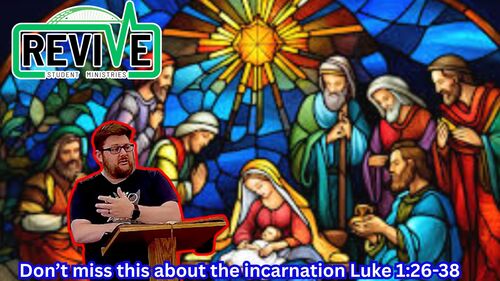
The Magnificence of the Incarnation: When Heaven Stepped Into Time
There are moments in life that stop us in our tracks. Moments when we pause, breathe deeply, and whisper, "Wow." Perhaps it was standing on a mountain peak with stars so brilliant they seemed within reach. Maybe it was witnessing the birth of a child or experiencing unexpected beauty that made your soul stir. These awe-inspiring moments give us a glimpse into something greater than ourselves.
Yet even the most breathtaking experiences pale in comparison to the wonder of the Christmas story—specifically, the moment when divinity entered humanity.
The Night Everything Changed
In Luke 1:26-38, we encounter a young woman named Mary receiving news that would alter the course of human history. An angel appears with words that would echo through eternity: "Rejoice, highly favored one. The Lord is with you. Blessed are you among women."
Consider Mary's position. She was likely impoverished, living in a rural area that others looked down upon. Her betrothal to Joseph was probably arranged by their families, as was customary. She had little control over her circumstances—her financial situation, her marital arrangement, or her social standing. But she had control over one crucial thing: her obedience to God.
Mary had maintained her purity and devotion. And because of this singular act of faithfulness, all the pieces of her life—pieces she could never have orchestrated herself—came together for this divine appointment. She was marrying into the royal lineage of David, though she lived in poverty. Her son would restore the throne, though she had no political power. Her obedience in the one area she could control positioned her for a role she could never have imagined.
The Last Words Before Victory
The angel's greeting to Mary carries profound significance. These words—"Rejoice, highly favored one, the Lord is with you"—represent the final declaration before the incarnation took place. They mark the moment when darkness' reign began its end. Before Jesus even developed in the womb, before his birth, before his ministry, these words signaled that the enemy's hold on humanity was about to be shattered.
Mary's response reveals her character: "Let it be to me according to your word." She had already prepared her life to be obedient. This wasn't a one-time decision but the continuation of a pattern of faithfulness.
The Sacrifice We Often Miss
Here's what we frequently overlook: In that moment of conception, Jesus' sacrifice began. We tend to focus on Passion Week—the betrayal, the whipping, the crown of thorns, the crucifixion. These were indeed horrific and central to our salvation. But the sacrifice started much earlier.
When Jesus stepped out of eternity and into time, he began human development as every person does—as a single cell, growing in the womb. The eternal God, who created galaxies and set stars in motion, humbled himself to experience every stage of human development.
In John 17, as Jesus prayed in the Garden of Gethsemane before his arrest, he said something revealing: "I have finished the work which you have given me to do. And now, O Father, glorify me together with yourself, with the glory which I had with you before the world was."
Before even going to the cross, Jesus declared the work finished. What did he miss most? The glory he had with the Father from before creation. For thirty-three and a half years, the King of Kings lived away from the glory he rightfully deserved.
Thirty-Three Years of Humility
Think about this: Jesus spent thirty years in relative obscurity. Thirty years working as a carpenter in a town people mocked. Thirty years of a simple, humble life before his public ministry even began. Then three years of ministry, increasingly at odds with religious leaders, before being executed as a criminal.
The God of heaven, who deserves all honor and worship, chose to be born in a stable and laid in a feeding trough. He grew up in poverty. He was misunderstood, mocked, and ridiculed. He experienced every temptation we face, every difficulty we encounter.
His sacrifice wasn't just the final week. It was every single day of those thirty-three and a half years spent in human flesh, yearning to return to his rightful place of glory, yet choosing to remain for our sake.
Nothing Is Impossible With God
Mary's story also reminds us that God works through circumstances we cannot control. She didn't choose her economic status or arrange her own marriage. But God used those very situations—combined with her faithfulness in what she could control—to accomplish the impossible.
The angel told her that her elderly cousin Elizabeth, thought to be barren, had also conceived. The message was clear: "With God, nothing will be impossible."
When we feel limited by our circumstances, when we think our situation disqualifies us from being used by God, we need to remember Mary. She had almost no control over her life's circumstances. But she controlled her obedience, and God did the impossible through her.
The Magic and Majesty
The incarnation is not just a theological concept to understand intellectually. It's a reality meant to inspire awe, wonder, and deep gratitude. The Creator of the universe loved us enough to limit himself, to humble himself, to live decades in conditions far beneath his glory—all to rescue us.
This Christmas season, let's not rush past the magnificence of this truth. Before we focus on the manger scene or jump ahead to the cross, let's pause and truly take in what happened when heaven stepped into time.
The King of Kings chose poverty. The Eternal One entered time. The Glorious One embraced humility. And he did it all for love—love for a broken world that desperately needed saving.
That's the true magic of Christmas. That's the wonder worth celebrating. That's the sacrifice that changed everything.
There are moments in life that stop us in our tracks. Moments when we pause, breathe deeply, and whisper, "Wow." Perhaps it was standing on a mountain peak with stars so brilliant they seemed within reach. Maybe it was witnessing the birth of a child or experiencing unexpected beauty that made your soul stir. These awe-inspiring moments give us a glimpse into something greater than ourselves.
Yet even the most breathtaking experiences pale in comparison to the wonder of the Christmas story—specifically, the moment when divinity entered humanity.
The Night Everything Changed
In Luke 1:26-38, we encounter a young woman named Mary receiving news that would alter the course of human history. An angel appears with words that would echo through eternity: "Rejoice, highly favored one. The Lord is with you. Blessed are you among women."
Consider Mary's position. She was likely impoverished, living in a rural area that others looked down upon. Her betrothal to Joseph was probably arranged by their families, as was customary. She had little control over her circumstances—her financial situation, her marital arrangement, or her social standing. But she had control over one crucial thing: her obedience to God.
Mary had maintained her purity and devotion. And because of this singular act of faithfulness, all the pieces of her life—pieces she could never have orchestrated herself—came together for this divine appointment. She was marrying into the royal lineage of David, though she lived in poverty. Her son would restore the throne, though she had no political power. Her obedience in the one area she could control positioned her for a role she could never have imagined.
The Last Words Before Victory
The angel's greeting to Mary carries profound significance. These words—"Rejoice, highly favored one, the Lord is with you"—represent the final declaration before the incarnation took place. They mark the moment when darkness' reign began its end. Before Jesus even developed in the womb, before his birth, before his ministry, these words signaled that the enemy's hold on humanity was about to be shattered.
Mary's response reveals her character: "Let it be to me according to your word." She had already prepared her life to be obedient. This wasn't a one-time decision but the continuation of a pattern of faithfulness.
The Sacrifice We Often Miss
Here's what we frequently overlook: In that moment of conception, Jesus' sacrifice began. We tend to focus on Passion Week—the betrayal, the whipping, the crown of thorns, the crucifixion. These were indeed horrific and central to our salvation. But the sacrifice started much earlier.
When Jesus stepped out of eternity and into time, he began human development as every person does—as a single cell, growing in the womb. The eternal God, who created galaxies and set stars in motion, humbled himself to experience every stage of human development.
In John 17, as Jesus prayed in the Garden of Gethsemane before his arrest, he said something revealing: "I have finished the work which you have given me to do. And now, O Father, glorify me together with yourself, with the glory which I had with you before the world was."
Before even going to the cross, Jesus declared the work finished. What did he miss most? The glory he had with the Father from before creation. For thirty-three and a half years, the King of Kings lived away from the glory he rightfully deserved.
Thirty-Three Years of Humility
Think about this: Jesus spent thirty years in relative obscurity. Thirty years working as a carpenter in a town people mocked. Thirty years of a simple, humble life before his public ministry even began. Then three years of ministry, increasingly at odds with religious leaders, before being executed as a criminal.
The God of heaven, who deserves all honor and worship, chose to be born in a stable and laid in a feeding trough. He grew up in poverty. He was misunderstood, mocked, and ridiculed. He experienced every temptation we face, every difficulty we encounter.
His sacrifice wasn't just the final week. It was every single day of those thirty-three and a half years spent in human flesh, yearning to return to his rightful place of glory, yet choosing to remain for our sake.
Nothing Is Impossible With God
Mary's story also reminds us that God works through circumstances we cannot control. She didn't choose her economic status or arrange her own marriage. But God used those very situations—combined with her faithfulness in what she could control—to accomplish the impossible.
The angel told her that her elderly cousin Elizabeth, thought to be barren, had also conceived. The message was clear: "With God, nothing will be impossible."
When we feel limited by our circumstances, when we think our situation disqualifies us from being used by God, we need to remember Mary. She had almost no control over her life's circumstances. But she controlled her obedience, and God did the impossible through her.
The Magic and Majesty
The incarnation is not just a theological concept to understand intellectually. It's a reality meant to inspire awe, wonder, and deep gratitude. The Creator of the universe loved us enough to limit himself, to humble himself, to live decades in conditions far beneath his glory—all to rescue us.
This Christmas season, let's not rush past the magnificence of this truth. Before we focus on the manger scene or jump ahead to the cross, let's pause and truly take in what happened when heaven stepped into time.
The King of Kings chose poverty. The Eternal One entered time. The Glorious One embraced humility. And he did it all for love—love for a broken world that desperately needed saving.
That's the true magic of Christmas. That's the wonder worth celebrating. That's the sacrifice that changed everything.
Recent
Archive
2026
January
February
March
June
2025
November
1 Kings 18: Showdown on Mt. CarmelOccupy Till He Comes, Daniel 12The Book of Ezra; And Billy GrahamGog and Magog invasion: Ezekiel 38 & 39October 31stFinding the Mission through Despair: 1 Kings 19The Trinity and VictoryNehemiah: Building for God and the Arrival of MessiahThe Eternal Mystery: Understanding the Nature of GodWicked Royalty, Faithful Citizen, a Vineyard, and a ProphetFor Such a Time as ThisThe Millennial TempleRepentance is Necessary: 2 Kings 1
Categories
no categories
No Comments