Good News can still be difficult
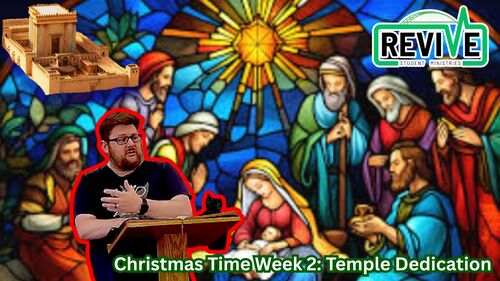
The Weight of Goodness: When Following God Doesn't Feel Easy
There's a profound truth that often gets overlooked in our faith journey: participating in what is good doesn't always feel good. This reality confronts us in one of the most tender moments in Scripture—when Mary and Joseph brought the infant Jesus to the temple.
A Humble Beginning
Picture the scene: Mary and Joseph arrive at the temple in Jerusalem, carrying their newborn son for the dedication ceremony required by the Law of Moses. According to tradition, families would bring a lamb as an offering. But there's a telling detail in Luke's account—they brought two turtle doves or two young pigeons instead.
This wasn't a preference. It was necessity. The Law specifically provided this option for those who couldn't afford more. Here we see something staggering: the Creator of the universe, God in flesh, born into a family that could only afford the cheapest option at the temple.
Before Jesus ever performed a miracle, before he preached a single sermon, before he called his first disciple—he had already humbled himself beyond comprehension. The One who spoke galaxies into existence entered our world through a family that struggled financially. This is how far God was willing to go to reach you.
The Man Who Waited
As Mary and Joseph fulfilled their religious duty, an elderly man named Simeon approached them. Scripture tells us he was "just and devout," and that the Holy Spirit rested upon him with a specific promise: he would not die before seeing the Lord's Messiah.
Imagine Simeon's life. Day after day, year after year, he waited. He watched Rome's oppression of Israel continue. He saw countless families bring their children to the temple. He lived through disappointment and delay, holding onto a divine promise that must have seemed increasingly unlikely with each passing season.
Then, on what appeared to be an ordinary day, the Spirit moved. Simeon saw a young couple—poor, unremarkable by worldly standards—carrying a baby. And he knew.
What's remarkable is that Simeon possessed spiritual insight that surpassed even what many would later understand. Without Jesus having spoken a word, without any miracles or teachings, Simeon declared that this child would be "a light to bring revelation to the Gentiles and the glory of your people Israel."
He grasped something the disciples would struggle with for years: that God's salvation extended beyond Israel to all nations. Simeon lived before Pentecost, before the resurrection, in a time when access to God was limited by the temple veil. Yet his intimacy with the Holy Spirit allowed him to perceive divine truth with stunning clarity.
This raises an uncomfortable question for us today: We live after the resurrection. The veil has been torn. The Holy Spirit is available to all believers. We have complete Scriptures. Yet are we as attuned to God's voice as Simeon was? Do we recognize God's work when it appears before us?
The Sword That Pierces
After declaring Jesus' identity and purpose, Simeon turned to Mary with words that must have sent a chill through her soul: "Yes, a sword will pierce through your own soul also."
Consider the emotional whiplash of that moment. Mary and Joseph had received angelic announcements. They'd witnessed miraculous events. They'd been told of their son's greatness. And now, while simply fulfilling a routine religious obligation, they encounter this man who confirms everything they've been told—and then adds a devastating prophecy.
Your son is the Messiah. He will bring light to the world. And his life will cause you unbearable sorrow.
The baby in Mary's arms would grow into a man she would watch be executed. The child she nursed and raised would be crucified before her eyes. She would participate in the most important event in human history, raising the Savior of the world—and it would break her heart.
This is the tension of faith: doing what is right and good can still lead to profound pain. Following God's will doesn't guarantee comfort or ease. Mary's yes to God led her to Golgotha.
The Prophetess Who Proclaimed
As if the encounter with Simeon wasn't enough, Anna appeared. A prophetess over one hundred years old, she had spent decades serving at the temple with fasting and prayer. A widow for 84 years, she had devoted her life to waiting for Israel's redemption.
When she saw Jesus, everything changed. The woman who had maintained her post at the temple for years immediately began telling everyone in Jerusalem that the Messiah had arrived. One glimpse of Jesus—even as a helpless infant—transformed her from a woman who waited into a woman who proclaimed.
This is what an encounter with Jesus should do. Whether he comes to us in dramatic spiritual experiences or quiet, unexpected moments, meeting him should fundamentally change us. It should move us from passive waiting to active witness.
The Shadow of the Cross
Here's what this entire temple scene reveals: from the very beginning, Jesus' birth was about his death. The nativity always pointed toward the crucifixion. The manger led to the cross.
We celebrate Christmas with joy and lights and gifts. We should. The incarnation is glorious. But we cannot separate Jesus' arrival from his purpose. He came to die. He was born to be sacrificed. The hope that entered the world in Bethlehem would be secured through suffering in Jerusalem.
Mary and Joseph learned this just 40ish days after Jesus was born. The shadow of Calvary fell across the temple that day, cast by the words of an old man who saw more clearly than most.
Living in the Tension
What does this mean for us? It means that faithfulness and difficulty are not opposites. You can be exactly where God wants you and still face hardship. You can be doing precisely what is right and still experience pain.
The world offers temporary pleasures that ultimately leave us empty. As Solomon observed when he wrote Ecclesiastes, worldly pursuits are like chasing the wind—we can never quite catch them, and even if we could, we couldn't hold onto them.
But participating in God's purposes, even when it costs us, connects us to something eternal. It aligns us with the One who overcame the world. It gives us access to the Father through the Son who humbled himself to the point of death.
The question isn't whether following Jesus will be easy. It won't be. The question is whether we'll be as spiritually attuned as Simeon, as devoted as Anna, and as willing as Mary to say yes to God—even when we know the sword is coming.
Because in the end, he is worth it all.
There's a profound truth that often gets overlooked in our faith journey: participating in what is good doesn't always feel good. This reality confronts us in one of the most tender moments in Scripture—when Mary and Joseph brought the infant Jesus to the temple.
A Humble Beginning
Picture the scene: Mary and Joseph arrive at the temple in Jerusalem, carrying their newborn son for the dedication ceremony required by the Law of Moses. According to tradition, families would bring a lamb as an offering. But there's a telling detail in Luke's account—they brought two turtle doves or two young pigeons instead.
This wasn't a preference. It was necessity. The Law specifically provided this option for those who couldn't afford more. Here we see something staggering: the Creator of the universe, God in flesh, born into a family that could only afford the cheapest option at the temple.
Before Jesus ever performed a miracle, before he preached a single sermon, before he called his first disciple—he had already humbled himself beyond comprehension. The One who spoke galaxies into existence entered our world through a family that struggled financially. This is how far God was willing to go to reach you.
The Man Who Waited
As Mary and Joseph fulfilled their religious duty, an elderly man named Simeon approached them. Scripture tells us he was "just and devout," and that the Holy Spirit rested upon him with a specific promise: he would not die before seeing the Lord's Messiah.
Imagine Simeon's life. Day after day, year after year, he waited. He watched Rome's oppression of Israel continue. He saw countless families bring their children to the temple. He lived through disappointment and delay, holding onto a divine promise that must have seemed increasingly unlikely with each passing season.
Then, on what appeared to be an ordinary day, the Spirit moved. Simeon saw a young couple—poor, unremarkable by worldly standards—carrying a baby. And he knew.
What's remarkable is that Simeon possessed spiritual insight that surpassed even what many would later understand. Without Jesus having spoken a word, without any miracles or teachings, Simeon declared that this child would be "a light to bring revelation to the Gentiles and the glory of your people Israel."
He grasped something the disciples would struggle with for years: that God's salvation extended beyond Israel to all nations. Simeon lived before Pentecost, before the resurrection, in a time when access to God was limited by the temple veil. Yet his intimacy with the Holy Spirit allowed him to perceive divine truth with stunning clarity.
This raises an uncomfortable question for us today: We live after the resurrection. The veil has been torn. The Holy Spirit is available to all believers. We have complete Scriptures. Yet are we as attuned to God's voice as Simeon was? Do we recognize God's work when it appears before us?
The Sword That Pierces
After declaring Jesus' identity and purpose, Simeon turned to Mary with words that must have sent a chill through her soul: "Yes, a sword will pierce through your own soul also."
Consider the emotional whiplash of that moment. Mary and Joseph had received angelic announcements. They'd witnessed miraculous events. They'd been told of their son's greatness. And now, while simply fulfilling a routine religious obligation, they encounter this man who confirms everything they've been told—and then adds a devastating prophecy.
Your son is the Messiah. He will bring light to the world. And his life will cause you unbearable sorrow.
The baby in Mary's arms would grow into a man she would watch be executed. The child she nursed and raised would be crucified before her eyes. She would participate in the most important event in human history, raising the Savior of the world—and it would break her heart.
This is the tension of faith: doing what is right and good can still lead to profound pain. Following God's will doesn't guarantee comfort or ease. Mary's yes to God led her to Golgotha.
The Prophetess Who Proclaimed
As if the encounter with Simeon wasn't enough, Anna appeared. A prophetess over one hundred years old, she had spent decades serving at the temple with fasting and prayer. A widow for 84 years, she had devoted her life to waiting for Israel's redemption.
When she saw Jesus, everything changed. The woman who had maintained her post at the temple for years immediately began telling everyone in Jerusalem that the Messiah had arrived. One glimpse of Jesus—even as a helpless infant—transformed her from a woman who waited into a woman who proclaimed.
This is what an encounter with Jesus should do. Whether he comes to us in dramatic spiritual experiences or quiet, unexpected moments, meeting him should fundamentally change us. It should move us from passive waiting to active witness.
The Shadow of the Cross
Here's what this entire temple scene reveals: from the very beginning, Jesus' birth was about his death. The nativity always pointed toward the crucifixion. The manger led to the cross.
We celebrate Christmas with joy and lights and gifts. We should. The incarnation is glorious. But we cannot separate Jesus' arrival from his purpose. He came to die. He was born to be sacrificed. The hope that entered the world in Bethlehem would be secured through suffering in Jerusalem.
Mary and Joseph learned this just 40ish days after Jesus was born. The shadow of Calvary fell across the temple that day, cast by the words of an old man who saw more clearly than most.
Living in the Tension
What does this mean for us? It means that faithfulness and difficulty are not opposites. You can be exactly where God wants you and still face hardship. You can be doing precisely what is right and still experience pain.
The world offers temporary pleasures that ultimately leave us empty. As Solomon observed when he wrote Ecclesiastes, worldly pursuits are like chasing the wind—we can never quite catch them, and even if we could, we couldn't hold onto them.
But participating in God's purposes, even when it costs us, connects us to something eternal. It aligns us with the One who overcame the world. It gives us access to the Father through the Son who humbled himself to the point of death.
The question isn't whether following Jesus will be easy. It won't be. The question is whether we'll be as spiritually attuned as Simeon, as devoted as Anna, and as willing as Mary to say yes to God—even when we know the sword is coming.
Because in the end, he is worth it all.
Recent
Archive
2026
January
February
March
June
2025
November
1 Kings 18: Showdown on Mt. CarmelOccupy Till He Comes, Daniel 12The Book of Ezra; And Billy GrahamGog and Magog invasion: Ezekiel 38 & 39October 31stFinding the Mission through Despair: 1 Kings 19The Trinity and VictoryNehemiah: Building for God and the Arrival of MessiahThe Eternal Mystery: Understanding the Nature of GodWicked Royalty, Faithful Citizen, a Vineyard, and a ProphetFor Such a Time as ThisThe Millennial TempleRepentance is Necessary: 2 Kings 1
Categories
no categories
No Comments