Here am I, Send Me: Isaiah 6
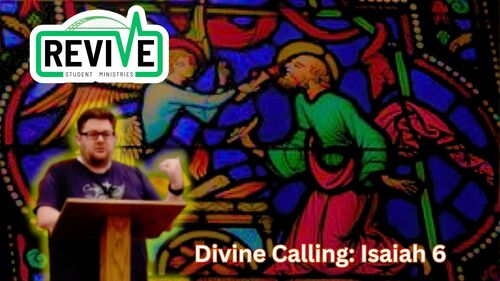
The Call to Ministry: Standing Before a Holy God
There's something profoundly humbling about encountering true holiness. In Isaiah chapter 6, we find one of the most vivid descriptions of what it means to stand in the presence of God—and what it reveals about our own unworthiness and God's incredible grace.
A Vision of Heaven's Throne Room
Isaiah finds himself transported into the throne room of heaven itself. The scene he describes is overwhelming: God seated on His throne, high and lifted up, with the train of His robe filling the temple. Above the throne stand seraphim—angelic beings with six wings each. These aren't the cherubic figures of greeting cards; these are powerful, holy creatures in the direct presence of the Almighty.
What's striking is what these angels do with their wings. With two wings they fly, but with two they cover their faces, and with two they cover their feet. Think about that for a moment. These are sinless beings, created to dwell in God's presence, yet even they cannot fully behold the pure holiness of God. They must shield themselves from the blazing light of His righteousness.
And what do they cry out? "Holy, holy, holy is the Lord of hosts. The whole earth is full of His glory."
The repetition isn't for emphasis alone—it's a declaration of the triune nature of God. Three times holy for the three persons of the Godhead: Father, Son, and Holy Spirit. The angels proclaim what they know to be the fundamental truth of existence: God is completely other, utterly unique, set apart from all creation in His perfection and purity.
The Weight of Unworthiness
Isaiah's response to this vision is immediate and visceral: "Woe is me, for I am undone! Because I am a man of unclean lips, and I dwell in the midst of a people of unclean lips; for my eyes have seen the King, the Lord of hosts."
Here's a prophet of God, a man who by all earthly standards would be considered righteous and holy, and his first reaction to seeing God is to recognize his own profound unworthiness. If sinless angels must cover themselves, how much more should sinful humanity tremble before the throne of God?
This is the proper response to encountering true holiness. Not pride in our achievements or confidence in our goodness, but a deep awareness of how far we fall short. Isaiah doesn't compare himself to his neighbors or even to the worst sinners of his day. When you stand before absolute purity, all relative comparisons become meaningless. You see yourself as you truly are.
Cleansed by the Blood
But the story doesn't end with Isaiah's unworthiness—and that's the beauty of the gospel message woven throughout Scripture.
One of the seraphim takes a live coal from the altar with tongs. This isn't just any coal; it's from the altar where sacrificial lambs were burned, where their blood dripped onto the burning coals. The angel touches this coal to Isaiah's lips and declares, "Behold, this has touched your lips; your iniquity is taken away, and your sin purged."
The symbolism is impossible to miss. The blood of the lamb, represented by the coal that touched it, is what cleanses Isaiah. Not his own efforts, not his religious credentials, not his good intentions—but the sacrifice. Fire often represents judgment or purification in Scripture, burning away impurities to reveal what's pure. That coal both judges sin and purifies the sinner.
Only after this cleansing does Isaiah have the right to speak before God. Only after being touched by the blood of the lamb is he made worthy. This is the consistent message throughout Scripture: we cannot approach God on our own merit, but only through the sacrifice provided for us.
Here Am I, Send Me
Then comes the pivotal moment. God asks, "Whom shall I send, and who will go for us?"
And Isaiah, now cleansed and made worthy not by his own power but by God's grace, responds with five of the most powerful words in Scripture: "Here am I. Send me."
This is remarkable because God immediately tells Isaiah what his mission will entail. He'll be sent to a people who won't listen, who refuse to see, who will not understand. He'll preach and teach and prophesy to hearts that are hardened, to ears that won't hear, to eyes that won't perceive. He'll minister until judgment comes, knowing that most will reject his message.
And yet Isaiah says yes. Because when you've been cleansed by the blood of the lamb, when you've been made worthy not by your own merit but by God's grace, the only appropriate response is complete surrender. "Send me" becomes not a burden but a privilege.
The Remnant and the Root
God does give Isaiah one promise: though judgment will come, though most will reject the message, there will be a remnant. Like a tree cut down to a stump, the holy seed will remain. The roots will stay in the ground. And from that faithful remnant, from that stump, will come the ultimate fulfillment of God's promise—the Messiah, the son of David, Jesus Christ.
This is the pattern throughout Scripture. God preserves a remnant, a faithful few who respond to His call. Not because they're better or more deserving, but because they recognize their need for cleansing and accept the grace offered through the blood of the lamb.
Our Call Today
This ancient vision carries a timeless message for everyone who follows Christ. We stand before the same holy God. We share the same fundamental unworthiness. We need the same cleansing by the blood—not of earthly lambs, but of the Lamb of God who takes away the sin of the world.
And we're given the same mission: to go into a world where many will reject the message, where hearts are hard and ears are closed, but to go anyway. Because for those who will listen, for those who will see, for those who will understand—we offer them eternal life.
When we remember our own impurity without Christ, we can have compassion for a world that needs the same cleansing we've received. We don't look down on others as undeserving; we recognize that neither are we. That recognition should drive us forward with the same response Isaiah gave: "Here am I. Send me."
The question isn't whether we're worthy. We're not. The question is whether we've been cleansed by the blood of the Lamb and whether we're willing to be sent.
There's something profoundly humbling about encountering true holiness. In Isaiah chapter 6, we find one of the most vivid descriptions of what it means to stand in the presence of God—and what it reveals about our own unworthiness and God's incredible grace.
A Vision of Heaven's Throne Room
Isaiah finds himself transported into the throne room of heaven itself. The scene he describes is overwhelming: God seated on His throne, high and lifted up, with the train of His robe filling the temple. Above the throne stand seraphim—angelic beings with six wings each. These aren't the cherubic figures of greeting cards; these are powerful, holy creatures in the direct presence of the Almighty.
What's striking is what these angels do with their wings. With two wings they fly, but with two they cover their faces, and with two they cover their feet. Think about that for a moment. These are sinless beings, created to dwell in God's presence, yet even they cannot fully behold the pure holiness of God. They must shield themselves from the blazing light of His righteousness.
And what do they cry out? "Holy, holy, holy is the Lord of hosts. The whole earth is full of His glory."
The repetition isn't for emphasis alone—it's a declaration of the triune nature of God. Three times holy for the three persons of the Godhead: Father, Son, and Holy Spirit. The angels proclaim what they know to be the fundamental truth of existence: God is completely other, utterly unique, set apart from all creation in His perfection and purity.
The Weight of Unworthiness
Isaiah's response to this vision is immediate and visceral: "Woe is me, for I am undone! Because I am a man of unclean lips, and I dwell in the midst of a people of unclean lips; for my eyes have seen the King, the Lord of hosts."
Here's a prophet of God, a man who by all earthly standards would be considered righteous and holy, and his first reaction to seeing God is to recognize his own profound unworthiness. If sinless angels must cover themselves, how much more should sinful humanity tremble before the throne of God?
This is the proper response to encountering true holiness. Not pride in our achievements or confidence in our goodness, but a deep awareness of how far we fall short. Isaiah doesn't compare himself to his neighbors or even to the worst sinners of his day. When you stand before absolute purity, all relative comparisons become meaningless. You see yourself as you truly are.
Cleansed by the Blood
But the story doesn't end with Isaiah's unworthiness—and that's the beauty of the gospel message woven throughout Scripture.
One of the seraphim takes a live coal from the altar with tongs. This isn't just any coal; it's from the altar where sacrificial lambs were burned, where their blood dripped onto the burning coals. The angel touches this coal to Isaiah's lips and declares, "Behold, this has touched your lips; your iniquity is taken away, and your sin purged."
The symbolism is impossible to miss. The blood of the lamb, represented by the coal that touched it, is what cleanses Isaiah. Not his own efforts, not his religious credentials, not his good intentions—but the sacrifice. Fire often represents judgment or purification in Scripture, burning away impurities to reveal what's pure. That coal both judges sin and purifies the sinner.
Only after this cleansing does Isaiah have the right to speak before God. Only after being touched by the blood of the lamb is he made worthy. This is the consistent message throughout Scripture: we cannot approach God on our own merit, but only through the sacrifice provided for us.
Here Am I, Send Me
Then comes the pivotal moment. God asks, "Whom shall I send, and who will go for us?"
And Isaiah, now cleansed and made worthy not by his own power but by God's grace, responds with five of the most powerful words in Scripture: "Here am I. Send me."
This is remarkable because God immediately tells Isaiah what his mission will entail. He'll be sent to a people who won't listen, who refuse to see, who will not understand. He'll preach and teach and prophesy to hearts that are hardened, to ears that won't hear, to eyes that won't perceive. He'll minister until judgment comes, knowing that most will reject his message.
And yet Isaiah says yes. Because when you've been cleansed by the blood of the lamb, when you've been made worthy not by your own merit but by God's grace, the only appropriate response is complete surrender. "Send me" becomes not a burden but a privilege.
The Remnant and the Root
God does give Isaiah one promise: though judgment will come, though most will reject the message, there will be a remnant. Like a tree cut down to a stump, the holy seed will remain. The roots will stay in the ground. And from that faithful remnant, from that stump, will come the ultimate fulfillment of God's promise—the Messiah, the son of David, Jesus Christ.
This is the pattern throughout Scripture. God preserves a remnant, a faithful few who respond to His call. Not because they're better or more deserving, but because they recognize their need for cleansing and accept the grace offered through the blood of the lamb.
Our Call Today
This ancient vision carries a timeless message for everyone who follows Christ. We stand before the same holy God. We share the same fundamental unworthiness. We need the same cleansing by the blood—not of earthly lambs, but of the Lamb of God who takes away the sin of the world.
And we're given the same mission: to go into a world where many will reject the message, where hearts are hard and ears are closed, but to go anyway. Because for those who will listen, for those who will see, for those who will understand—we offer them eternal life.
When we remember our own impurity without Christ, we can have compassion for a world that needs the same cleansing we've received. We don't look down on others as undeserving; we recognize that neither are we. That recognition should drive us forward with the same response Isaiah gave: "Here am I. Send me."
The question isn't whether we're worthy. We're not. The question is whether we've been cleansed by the blood of the Lamb and whether we're willing to be sent.
Recent
Archive
2026
January
February
March
June
2025
November
1 Kings 18: Showdown on Mt. CarmelOccupy Till He Comes, Daniel 12The Book of Ezra; And Billy GrahamGog and Magog invasion: Ezekiel 38 & 39October 31stFinding the Mission through Despair: 1 Kings 19The Trinity and VictoryNehemiah: Building for God and the Arrival of MessiahThe Eternal Mystery: Understanding the Nature of GodWicked Royalty, Faithful Citizen, a Vineyard, and a ProphetFor Such a Time as ThisThe Millennial TempleRepentance is Necessary: 2 Kings 1
Categories
no categories
No Comments